Countdown to hosting the 2026 Annual Meetings

Thailand’s Economic Evolution
This commemorative document traces the trajectory of the Kingdom of Thailand from its first hosting of the World Bank/IMF Annual Meetings in 1991 to its return as host in 2026. Over these three and a half decades, Thailand has transformed from a rapidly industrializing nation into a resilient, innovation-driven economy that prioritizes its people and sustainable development.

1991
A Landmark for Emerging Asia
When the 1991 World Bank/IMF Annual Meetings were held at the Queen Sirikit National Convention Center (QSNCC), Thailand was the epicenter of global economic interest. The nation was witnessing unprecedented Gross Domestic Product (GDP) growth, fueled by a transition from an agrarian base to an export-oriented manufacturing hub.
- Foreign Direct Investment (FDI): A massive influx of capital, particularly from Japan and the West, established Thailand as a critical node in global electronics and textile supply chains.
- Early Liberalization: The era was defined by financial deregulation and an ambition to serve as a regional financial gateway, laying the groundwork for the modern Thai capital market.

1997-2000s
The Crucible of Resilience and Reforms
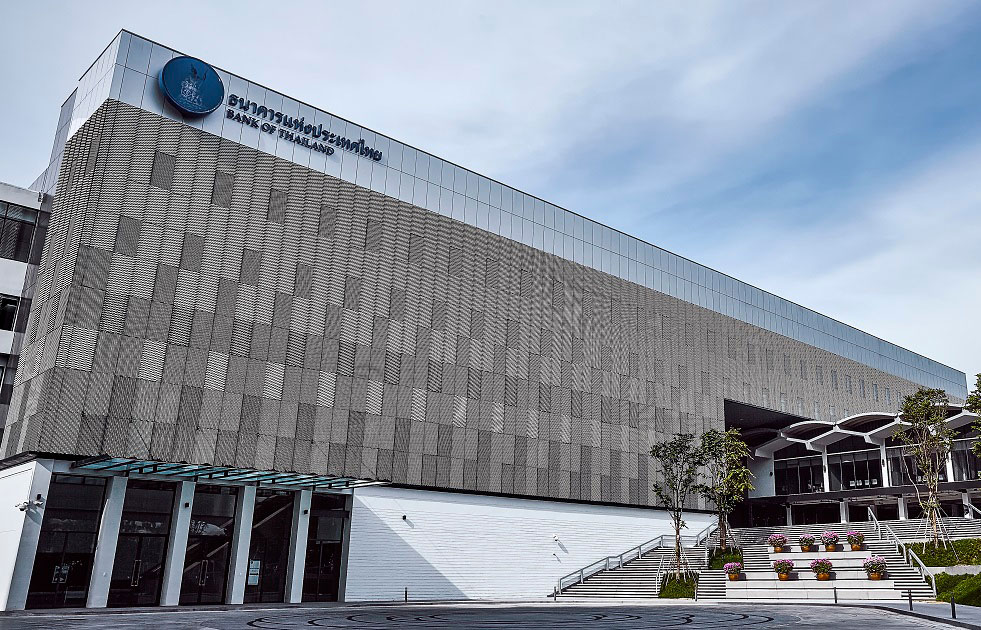
The 1997 Asian Financial Crisis served as a profound turning point. It shifted Thailand's economic strategy from high-speed growth to quality growth and macroeconomic stability. This era saw the emergence of a unique Thai approach to resilience.
- Sufficiency Economy Philosophy (SEP): Introduced by His Majesty King Bhumibol Adulyadej the Great, this philosophy—emphasizing moderation, reasonableness, and self-immunity—became the national framework for sustainable development. It remains the bedrock of Thailand's resilience strategy today.
- Institutional Reforms: The strengthening of the Bank of Thailand (BOT) and the modernization of financial regulatory frameworks ensured a more transparent and robust financial governance system. This paradigm shift facilitated the accumulation of substantial foreign exchange reserves as a strategic buffer, which now rank among the highest in the world, providing a cornerstone for national economic immunity.
2010-2019
Industrial Maturity and Diversified Growth
During this decade, Thailand achieved industrial maturity while strengthening its macroeconomic buffers through diversified growth and regional connectivity.
- Global Industrial Hub: Solidified leadership in the Automotive Supply Chain ("Detroit of Asia"), high-value Petrochemicals, and Smart Electronics, ensuring deep integration into Global Value Chains.
- Service Excellence & External Stability: Leveraged the "Golden Age" of Tourism to drive a consistent Current Account Surplus, enabling the accumulation of world-class Foreign Exchange Reserves to ensure long-term Resilience.
- Strategic Infrastructure: Launched transformative Infrastructure projects and the Eastern Economic Corridor (EEC), positioning the nation as a regional logistics gateway and a future hub for the Digital Economy.


2020-2025
Innovation in Crisis: Pandemic Management as a Catalyst for Digital Resilience
During the COVID-19 pandemic and the subsequent recovery phase, Thailand demonstrated exceptional agility. Rather than relying on traditional relief, Thailand implemented advanced digital fiscal interventions that accelerated the nation’s transition into a digital-first economy.
- Holistic Pandemic Management & Public Health Resilience:Thailand’s effective containment of the virus was anchored by its robust public health infrastructure and the Universal Healthcare Coverage (UHC) system. This strong foundation allowed for an agile policy coordination between health and economic sectors, minimizing long-term socio-economic disruptions and maintaining the stability necessary for subsequent economic recovery.
- Inclusion and Big Data:By leveraging the "Pao Tang" digital platform and G Wallet functionality, the government delivered targeted relief to over 40 million citizens with unprecedented transparency and efficiency, bridging the digital divide.
- Financial Innovation & Cross-Border Connectivity:Thailand leads in real-time digital payments. We launched the PromptPay-PayNow linkage with Singapore and expanded Cross-Border QR Payment with Cambodia, Vietnam, Indonesia, and Malaysia between 2020 and 2023. This infrastructure underpins the ASEAN Payment Connectivity initiative, fundamentally modernizing the nation's financial infrastructure.
- Economic Stability for SMEs:Targeted rehabilitation credit and liquidity support were crucial in sustaining industrial production and preserving employment across the SME sector during the global crisis.
- Fiscal Resilience:Despite significant global challenges, a steadfast commitment to fiscal discipline ensured that major global rating agencies (S&P, Moody’s, Fitch) maintained Thailand's "Stable" credit rating.
2026
Building Resilience - Mapping Thailand’s New Horizons
MAs the global economy becomes more shock-prone, recent events have reinforced an important reality: resilience can no longer be treated as a defensive concept alone. It must also be a strategy for renewal. For Thailand, this means not only managing volatility, but also using this moment to accelerate structural transformation.
Moving toward its new horizons, Thailand is redefining its economic architecture to ensure long-term competitiveness and broad-based prosperity. Thailand enters this period from a position of strength, supported by sound macroeconomic fundamentals, manageable public debt, and strong external buffers. These foundations provide the stability and policy space needed to respond to near-term risks while continuing to invest in long-term resilience.
Empowering People through Digital Equity: Thailand is strengthening human capital by bridging the digital divide for SMEs, small vendors, and the informal sector, so that technological progress translates into more inclusive growth and broader economic opportunity.
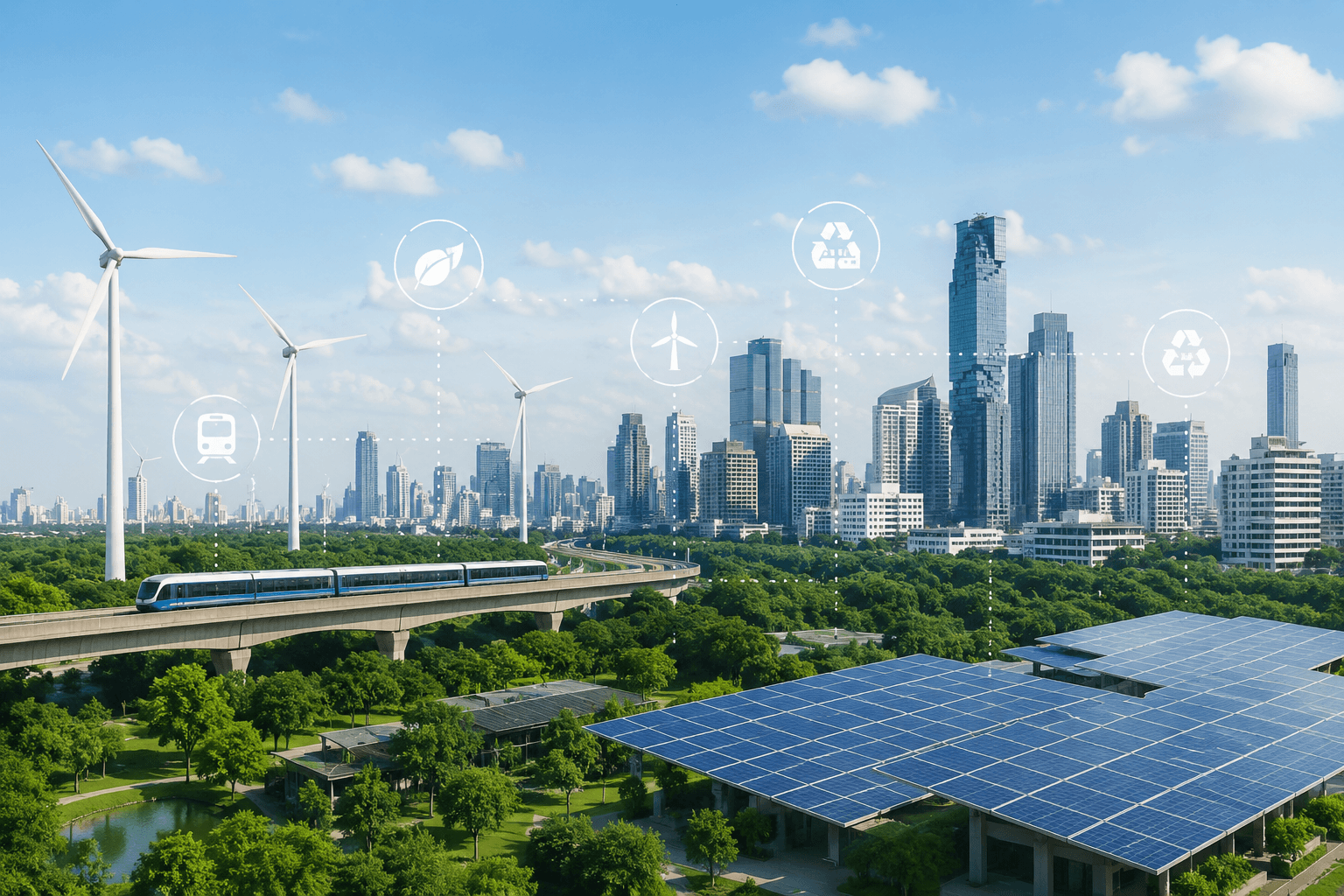
Building Resilience through Fiscal and Green Transformation:Thailand is reinforcing its economic buffers through prudent fiscal management, alignment with international tax standards, and emerging carbon taxation, while leveraging sustainable finance to support the transition toward a low-carbon economy and future-ready industries.
This broader strategy is supported by the government’s 4T framework. Target shifts from broad-based stimulus to highly targeted support for vulnerable households and SMEs, leveraging digital infrastructure like PromptPay to maximize policy efficiency. Transition accelerates the shift toward renewable energy—targeting at least 30% capacity by 2030—and promotes EV ecosystems to reduce dependence on fossil fuels.Transform seeks to build a cleaner, more competitive model by investing in AI, the bioeconomy, and 'new immunity' through Safe and Inclusive Digital Finance (SIDF). Togetherunderscores the importance of close partnership among government, business, and regional ASEAN networks to ensure resilient and inclusive growth.
Conclusion
As delegates gather in Bangkok for the 2026 Annual Meetings, they find a Thailand that has learned the lessons of the past and is confidently mapping its "New Horizons." By focusing on empowering its people and building deep-seated resilience, Thailand stands ready to contribute constructively to the global financial architecture and a sustainable future for all.